Tradie Forms: complete QLD Form 30 on the official Queensland PDF layout when your accepted development aspect work is ready to certify. Capture the scope, property, building, aspect, basis, references, QBCC licence details, signature and date while the job is still in front of you.
QLD Form 30 is for a specific Queensland building paperwork moment. It is not a general compliance letter and it is not the same as Form 43. It is the QBCC licensee aspect certificate for accepted development, previously known as self-assessable development.
That distinction matters on site. If the work is subject to a building development approval for a single detached class 1a building or class 10 building, QLD Form 43 may be the better fit. If the work is accepted development under the Building Regulation 2021 and is not assessed by a building certifier under a building development approval, Form 30 may be the certificate the QBCC licensee gives to the builder or owner.
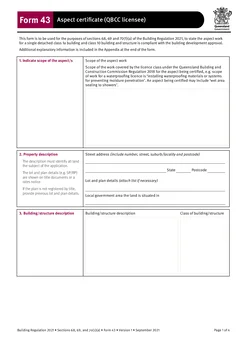
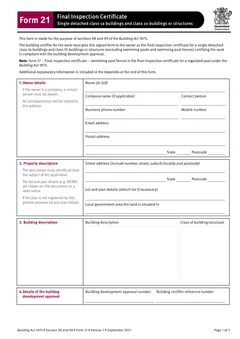
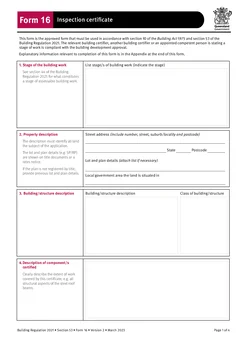
Use the QLD Form 30 template when you want a section-by-section fill, saved QBCC licensee details, missing-field checks, official PDF preview and a clean download. You can also browse QLD building forms, or compare related aspect certificates such as QLD Form 43, QLD Form 12 and QLD Form 16.
What is Form 30 for?
The official Queensland Form 30 PDF says it is made for section 70(1)(b) of the Building Regulation 2021. It states that aspect work prescribed as accepted development complies with relevant provisions, including any standards or codes applicable to the work.
The form also says that accepted development is prescribed in Schedule 1 of the Building Regulation 2021 and that building work regulated under the Building Act 1975 as accepted development is not required to be assessed by a building certifier under a building development approval. It still must be constructed or installed in line with relevant provisions.
Business Queensland explains that some building work does not require approval, including accepted development, but owners are still responsible for ensuring work complies with applicable standards and should check local planning scheme requirements.
For the QBCC licensee, the practical point is this: Form 30 records the aspect work and the basis for saying it complies. It should match the job, the licence class and the accepted development pathway.
Form 30 or Form 43: which certificate fits?
Form 30 and Form 43 are easy to mix up because both are QBCC licensee aspect certificates.
Form 30 is for accepted development aspect work, not subject to a building development approval. The completed form may be given to the builder or the owner.
Form 43 is for aspect work subject to a building development approval for a single detached class 1a building or class 10 building or structure. The completed form may be given to the building certifier or competent person.
If the job has a building development approval and the certifier is asking for an aspect certificate, pause before using Form 30. If the work is accepted development, check the accepted development rules and the official Form 30 wording before you finish the PDF. For the Form 43 walkthrough, see the Form 43 guide.
Form 12 is different again. That is an appointed competent person aspect inspection certificate, not a QBCC licensee accepted development certificate.
What to collect before leaving site
Form 30 is shorter than many government forms, but it still needs proper job information. Before you download, collect:
- The scope of the aspect work covered by your licence class
- Property street address, lot and plan, and local government area
- Building or structure description and class
- Clear description of the aspect or aspects certified
- Basis of certification, including standards, codes, tests, specifications, rules or publications relied on
- Reference documents such as drawings, product information, reports or engineering plans
- QBCC licensee name, company, contact, postal address, licence class and licence number
- Signature and date
Saved details can speed up the licence block, but do not treat saved details as a substitute for checking. Licences, company details and contact information change.
Scope, property and aspect wording
The Form 30 PDF asks for the scope of aspect work covered by the licence class under the Queensland Building and Construction Commission Regulation 2018. It gives waterproofing as an example.
Keep the scope tied to the licence class and the work actually performed. A useful scope might identify the licence type and the practical work covered, without drifting into other trades or broader building work. If your business does several kinds of work, choose the wording that fits this certificate. Do not reuse a generic scope from another job if it does not match the aspect being certified.
The property section asks for details that identify all land subject to the application. Check street number and street name, suburb or locality, state and postcode, lot and plan details, and local government area. The building or structure description should also make sense to someone outside the job. Class 10a shed or class 1a dwelling wet area is clearer than house or bathroom when the certificate is read later.
The aspect description tells the reader what the certificate covers. It should be narrow enough to match the work completed. Wet area waterproofing to ensuite and main bathroom in single detached dwelling is more useful than waterproofing.
Basis, references and licence details
The basis section is where you explain what you relied on. The official form asks for the basis for giving the certificate and the extent to which tests, specifications, rules, standards, codes of practice and other publications were relied upon by the QBCC licensee.
That means a vague line such as as per standards is weak. Name the relevant documents you actually used. If you relied on manufacturer installation instructions, drawings, product approvals, test records or engineering documents, list them properly.
The official form asks you to identify relevant documentation and notes that documents can be attached. Useful reference entries include drawing numbers and revision letters, engineering plan titles and dates, product data sheets or installation guides, test reports or inspection records, job photos where relevant, and client or builder scope documents.
Keep attachments with the job record. Tradie Forms maps the form entries to the official PDF layout. If the certificate relies on external documents, keep those documents in the job file as well.
Tradie Forms does not decide whether the work is accepted development or whether the aspect complies. The QBCC licensee remains responsible for checking the pathway, scope, supporting documents and finished PDF before the certificate is handed over.
Common Form 30 mistakes
Using Form 30 when Form 43 is needed
If the aspect work is subject to a building development approval for the relevant class 1a or class 10 job, check whether Form 43 is the right form instead. See also common Form 43 mistakes.
Treating accepted development as no standards apply
Business Queensland says accepted development may not need approval, but it still has to comply with applicable standards. Do not use Form 30 as a shortcut around the work itself.
Scope does not match the licence class
Use wording that fits the QBCC licence class and the aspect being certified. Broad wording can make the certificate look like it covers work you did not do.
References are vague
Use document names, drawing numbers, dates, revisions and product references where you have them.
Licence details are stale
Saved licence details help, but every download still needs a quick check. Name, licence class, licence number, company and contact details must fit the job.
How Tradie Forms helps
Tradie Forms turns Form 30 into sections you work through one at a time for scope, property, building, aspect, basis, references, licensee and signature.
You can reuse saved QBCC licensee details, catch missing fields before download, preview the official PDF layout, and download the finished Form 30 for the builder, owner or job record. That helps because Form 30 is usually completed close to the work. You can fill the certificate while the aspect is still visible, while the drawings are open, and before the job moves into the next phase.
After download, keep Form 30 with the accepted development basis you relied on, drawings and product information referenced, photos or inspection notes, licence details current at the time, the builder or owner completion record, and the finished PDF.
Before you download the PDF, run the form against the job in front of you. Ask whether the work is actually accepted development, whether the scope matches your licence class, whether the aspect description says where the work was done, and whether the references can be found later. Then check the recipient. Form 30 may be given to the builder for the building work or the owner of the building work. If the builder requested the certificate but the owner also needs a copy, make that completion clear in the job software.
Next steps
Start the QLD Form 30 accepted development aspect certificate when the work and references are ready. If the work is subject to a building development approval, check the QLD Form 43 template instead.
For the Form 43 walkthrough, read the Form 43 guide. For the wider certificate map, open the QLD building certificates workflow or browse QLD building forms.
Official references
Check the Business Queensland building forms page, the Queensland Form 30 PDF, the Business Queensland accepted development guidance, and the Queensland Form 43 PDF before relying on this guide.