QLD Form 15 is short enough to look harmless. That is part of the trap.
The certificate can carry design or specification information straight into the building certifier's decision. If the aspect is too broad, the reference documents are vague, or the competent person block was copied from old paperwork, the certificate creates questions instead of answering them. This article is about the errors that cause that - the step-by-step field walkthrough lives in the Form 15 completion guide.
Use the QLD Form 15 template for a fillable version of the official layout, browse QLD building forms, or compare the two forms side by side in the Form 12 vs Form 15 guide.
Using Form 15 when the job needs a different form
The most basic mistake is reaching for Form 15 because it is familiar, not because it fits.
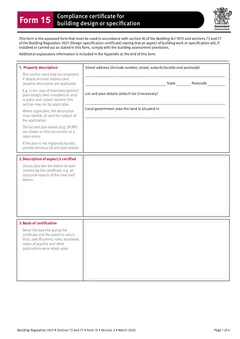
The official Form 15 is the compliance certificate for building design or specification. Its appendix explains that the information informs the building certifier's decision when assessing a building development application, issuing the building development approval, or amending the approval because updated aspect information has been received.
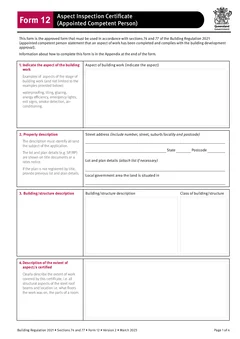
If the work has been built and inspected, the certificate is more likely Form 12, the aspect inspection certificate given by an appointed competent person. If the record is a stage inspection, that is Form 16. Before you start filling anything, ask whether the certificate is saying the aspect will comply if installed or carried out as stated - because that future tense is what makes it a Form 15.
Who has to be appointed before Form 15 can be signed?
The individual the building certifier has assessed and appointed as competent for that design-specification help. Business Queensland's competent persons guidance says a building certifier may use a competent person to provide help, but the certifier must first determine the person is competent to give it. The official Form 15 says the certificate must be signed by that assessed and appointed individual.
That rules out treating Form 15 as a generic company certificate. The signer matters, the appointment scope matters, and the design being certified has to sit inside that scope.
Manufacturers and suppliers trip people up here. The official appendix says a building certifier can accept Form 15 from a manufacturer or supplier the certifier has decided is a competent person for design-specification, and that a manufacturer or supplier can give the form where they have undertaken the design component for the product. If they did not do the design work, that path does not apply. Sort the appointment out before anyone signs.
Writing the aspect too broadly
Form 15 asks for the description of the aspect or aspects certified, and the official PDF asks you to clearly describe the extent of work covered.
Broad wording is where certificates become hard to use. "Structural design" does not tell the certifier which drawings, members, stage or product the certificate covers. "Glazing" does not say whether it is a whole building, one facade, a shopfront system or a product range.
The reverse mistake matters just as much. Do not let a narrow certificate read like a whole-project certificate. The wording should match what was actually assessed.
Leaving the basis of certification thin
The official Form 15 asks for the basis of certification and the extent to which tests, specifications, rules, standards, codes of practice and other publications were relied on. That is not a field for "as per plans".
The basis should tell the certifier what sits behind the certificate: drawing numbers, engineering calculations, test reports, Australian Standards, National Construction Code references, product technical statements, manufacturer specifications or project specifications. Keep it plain, but make it findable. If you cannot explain the basis clearly, the certificate is probably going out too early.
Reference documents without revisions
Form 15 also asks you to clearly identify relevant documentation, and the official PDF gives numbered structural engineering plans as the example.
Project files move fast. Drawings get superseded, product selections change, reports get reissued. A certificate that says "engineering drawings" leaves the office guessing which set was relied on. Use document numbers, titles, revisions, dates, report numbers and project names wherever they exist.
Where the field runs out of room, the official appendix says additional material can be created and referred to in an addendum or attachment. Use that instead of compressing the reference into something ambiguous.
Skipping property details that actually apply
The official Form 15 says the property description section only needs completing if street address and property description are applicable, and gives examples where it may not - standard or generic pool design, shell manufacture, patio and carport systems.
That is not permission to skip the block whenever it is inconvenient. Where the certificate relates to a specific property, make the land clear: street address, suburb or locality, state, postcode, lot and plan details, and local government area. The official form notes lot and plan details are shown on title documents or a rates notice, and that previous lot and plan details should be provided if the plan is not registered by title. A builder's short site name is not a substitute.
Numbers and details carried over from the last job
Two blocks on Form 15 quietly absorb yesterday's job.
The first is the building certifier reference number and building development application number. Those fields exist so the certificate lands in the right file. When a builder, certifier or consultant has several jobs open, one digit from an old approval number sends the office hunting. Copy them from the current certifier request or approval record, not from the last certificate you sent.
The second is the appointed competent person block - name, company, contact person, phone, mobile, email, postal address, licence class or registration type, and licence or registration number where applicable. Saved details stop repeat typing, and Tradie Forms can reuse them for the next certificate, but saved details are not a licence check. Review them after a licence or registration renewal, a business name or postal address change, a staff role change, or whenever a different individual is signing.
What should you check before the certificate leaves your hands?
Run the same short pass every time, ideally against the PDF preview rather than the entry fields:
- The certificate is for design or specification, not completed work.
- The building certifier has appointed the signer for this scope.
- The aspect wording matches what was assessed - no wider, no narrower.
- The basis names the documents, tests, standards, codes or specifications relied on.
- Reference documents carry numbers, revisions and dates.
- Property details are present where the certificate relates to a specific site.
- Certifier reference and approval numbers came from the current job.
- Competent person details and signature are current.
Tradie Forms maps your entries onto the official Form 15 PDF layout and can flag missing required fields, but it does not decide whether the design complies, whether you are the right competent person, or whether the certifier can rely on the certificate. The appointed competent person and the building certifier stay responsible for the finished document.
Next steps
Start the QLD Form 15 design specification certificate when you need the official layout, or work through the field-by-field Form 15 completion guide first.
If the job is an inspected aspect of completed work, open QLD Form 12 and read the Form 12 aspect inspection guide. To see where each certificate sits across a job, read the QLD building certificates workflow.
Official references
For current requirements, check the Business Queensland building forms page, the Queensland Form 15 PDF, the Business Queensland competent persons guidance, and the Queensland Form 12 PDF.